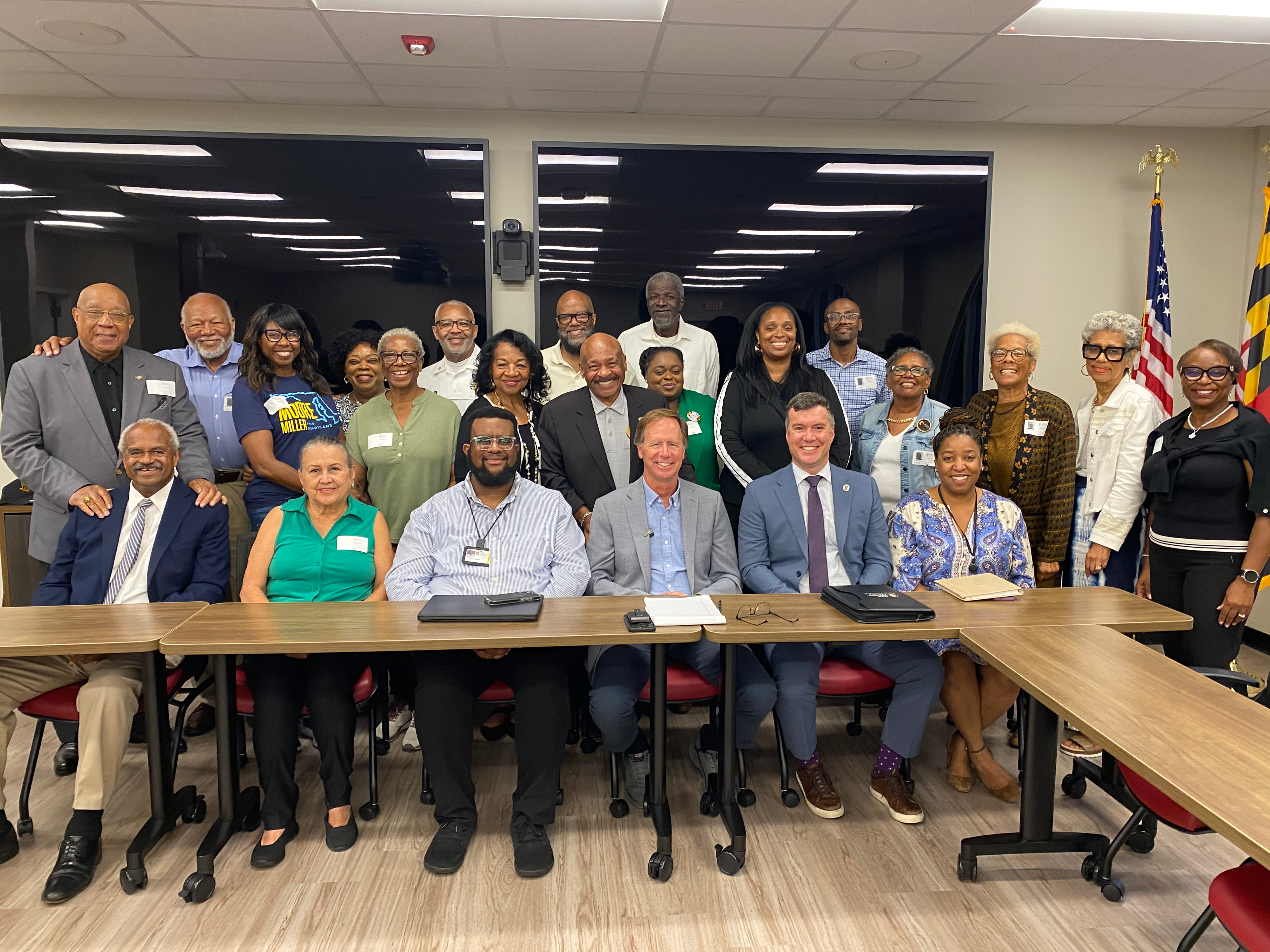
Some of the most visible parts of my job happen in public. I attend community meetings, answer questions, visit neighborhoods, and hear from residents about what is working and what needs attention.
I value that part of the work. A conversation can reveal something that hasn’t made it into a report or help us understand why a process that makes sense inside government frustrates someone trying to use it.
But that conversation is often where the work begins.
As Director of Community Engagement and Constituent Services, a large part of my responsibility is making sure our office can follow through. Someone needs to understand the concern, determine who can help, document what has already happened, and keep the resident informed. When an issue involves several departments, we need to figure out where their responsibilities meet and what needs to happen next.
That takes more internal work than people usually see.
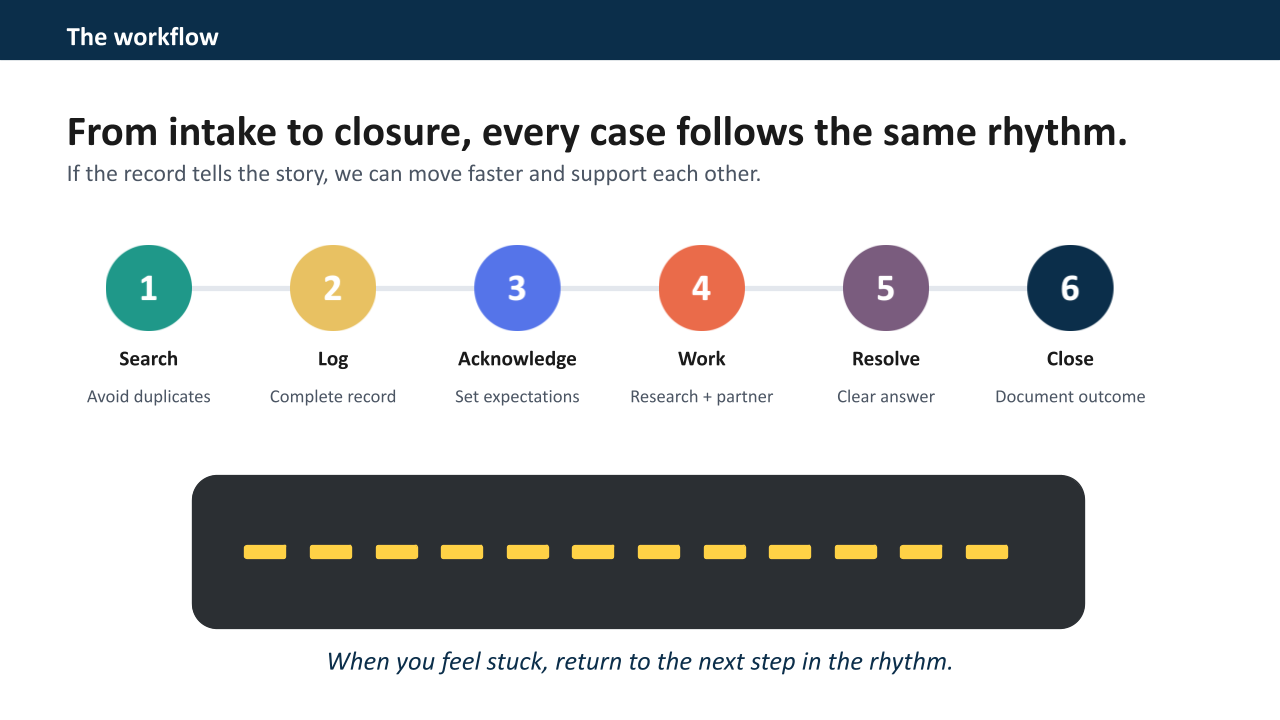
A resident might contact our office by phone, send an email to an elected official, and then raise the same concern at a community meeting. Without a clear process, several people could respond with different information. Or everyone could assume someone else is handling it.
Working with our Assistant Director and team, I’ve helped strengthen the procedures that guide how we receive, assign, document, and follow up on concerns. We have expectations for acknowledging cases, keeping records current, and escalating issues when we are waiting on a response.
Those details affect the experience a resident has with us. A useful case record means someone can step in when a colleague is out. Clear ownership helps prevent a request from getting lost between offices. A documented follow-up gives us a way to check whether we did what we said we would do.
Writing a procedure is only part of it. The management work continues through staff conversations, training, reviewing cases, and addressing the places where our practices fall short.
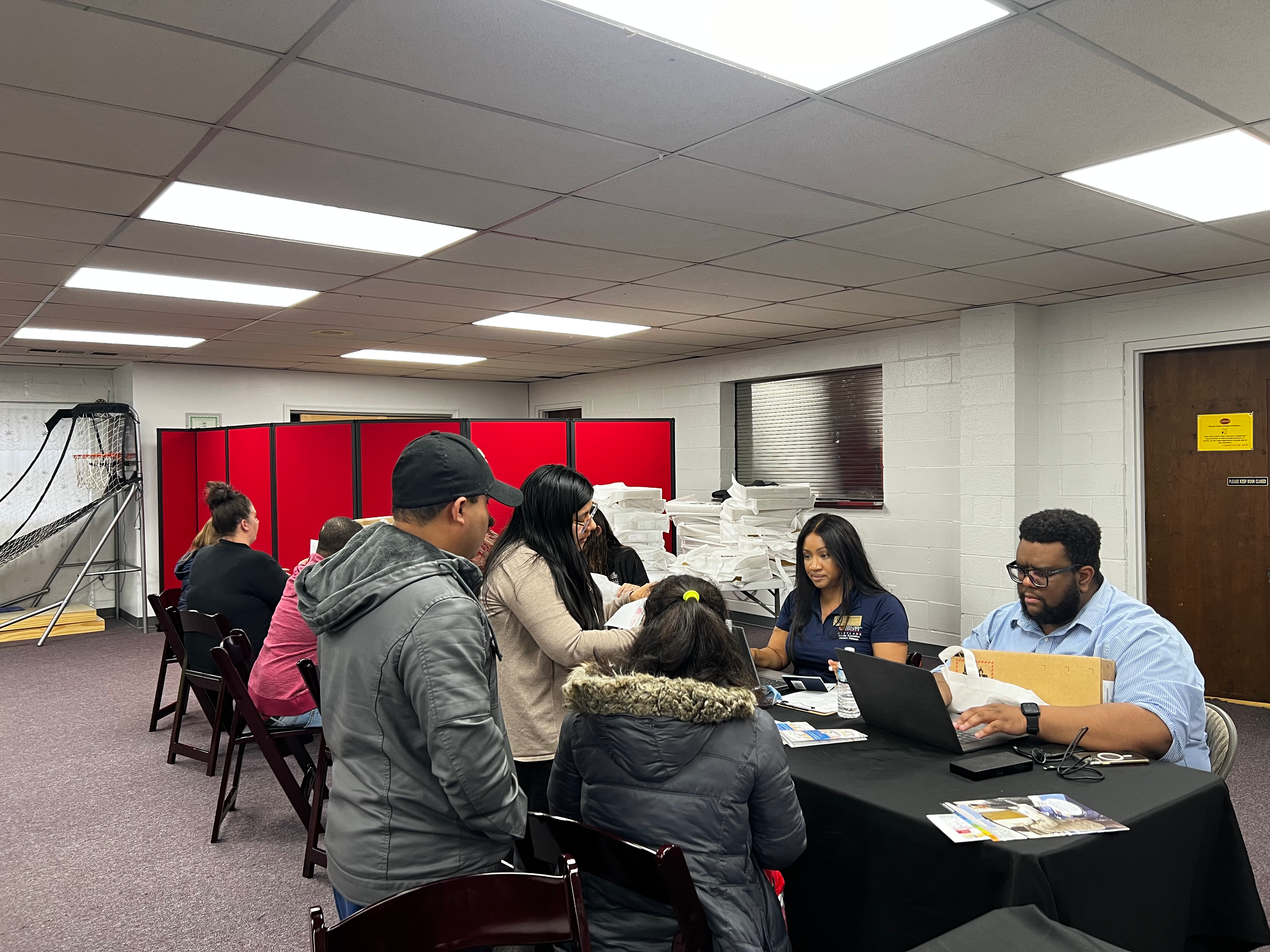
Our Chromebook distribution work is a good example of how much preparation sits behind something that looks straightforward.
Before a resident could arrive and receive a device, our team and partners had to choose accessible locations, arrange registration, understand eligibility requirements, recruit staff, coordinate transportation, and prepare for
interpretation and check-in questions.
interpretation and check-in questions.
My responsibilities included helping select locations and working through planning and delivery with our team. Colleagues led other essential pieces. Together, we had to consider how the process would work for the person coming through the door.
Would the location be accessible to the people we hoped to reach? What would happen if someone needed help registering? Who could answer an eligibility question? What would staff do when a situation didn’t fit the usual process?
These decisions shape whether a program delivers on its purpose.
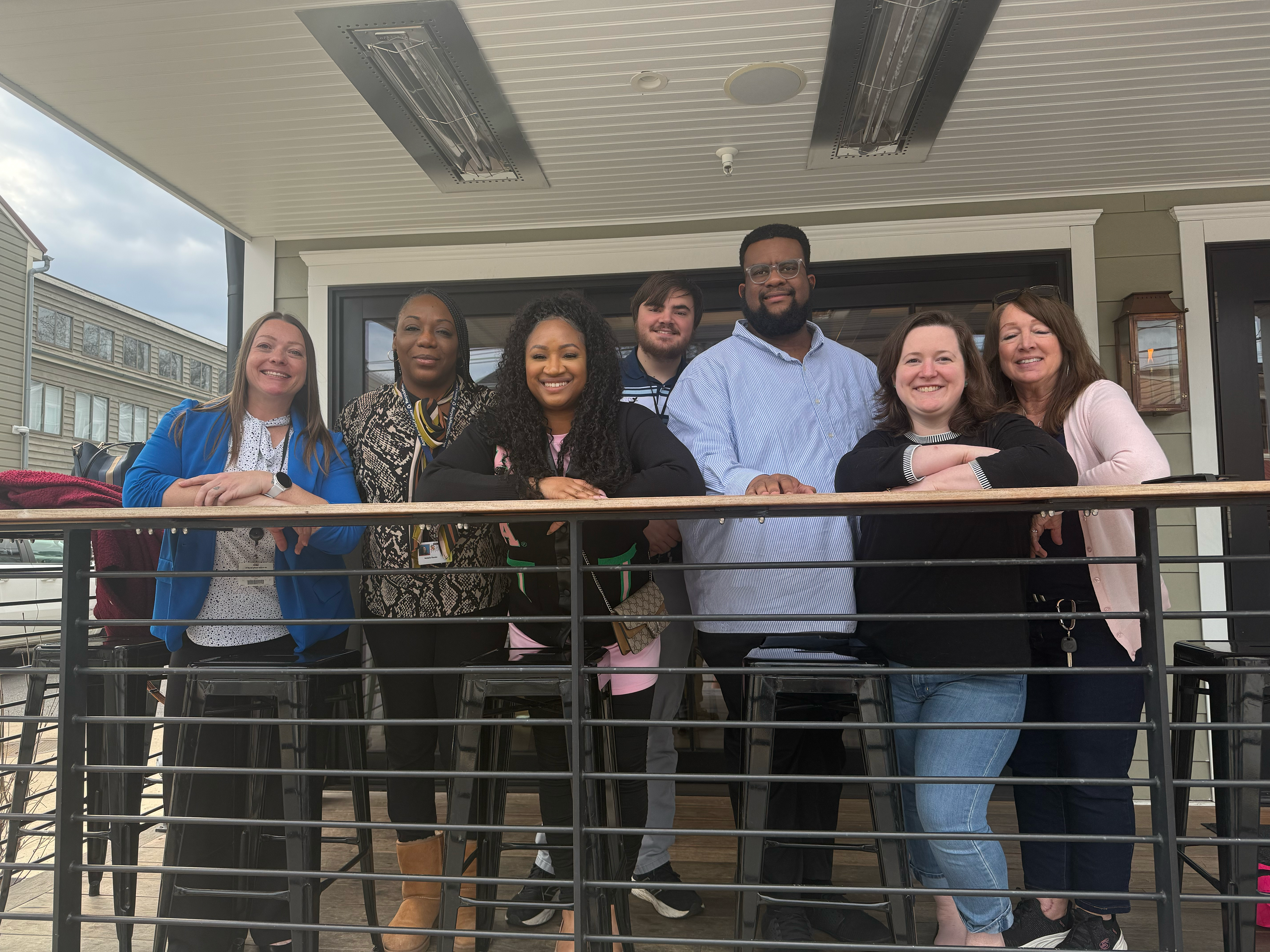
All of this depends on staff who understand their responsibilities and have the support to carry them out.
My job includes hiring, coaching, setting expectations, addressing performance concerns, and helping people work through competing priorities. It also means preparing for departures so that relationships, unfinished cases, and important knowledge remain with the office.
I’ve learned that being responsive requires attention to both the resident and the people responsible for helping them. Staff needs clear direction, useful information, and a place to raise a problem before it grows.
I still enjoy getting out into the community. Those conversations keep me connected to the reasons we do this work. They also give me responsibilities to bring back to the office.
When someone takes the time to tell us what is happening in their neighborhood or ask for help, I want them to know what happens next. Much of my work is making sure our team can give that answer and follow through.